Menopause: an introduction
If there is a journey worth exploring, it is definitely the menopause and peri-menopause journey. As half of the world’s population experiences this transition at some point in their lives, it’s worthy of a deep dive. Let’s take some time exploring the basics in this introductory article.
The term menopause applies to a single moment in time, by Western medicine definition that is. Menopause is defined as the absence of a period for 1 full calendar year. That means that there is technically only one day where you are “in menopause”. Anything before that is peri-menopause, and everything after that is post-menopause. This also means that if you go 11 months and 27 days without a period and then on the 28th day you bleed, the clock starts over.
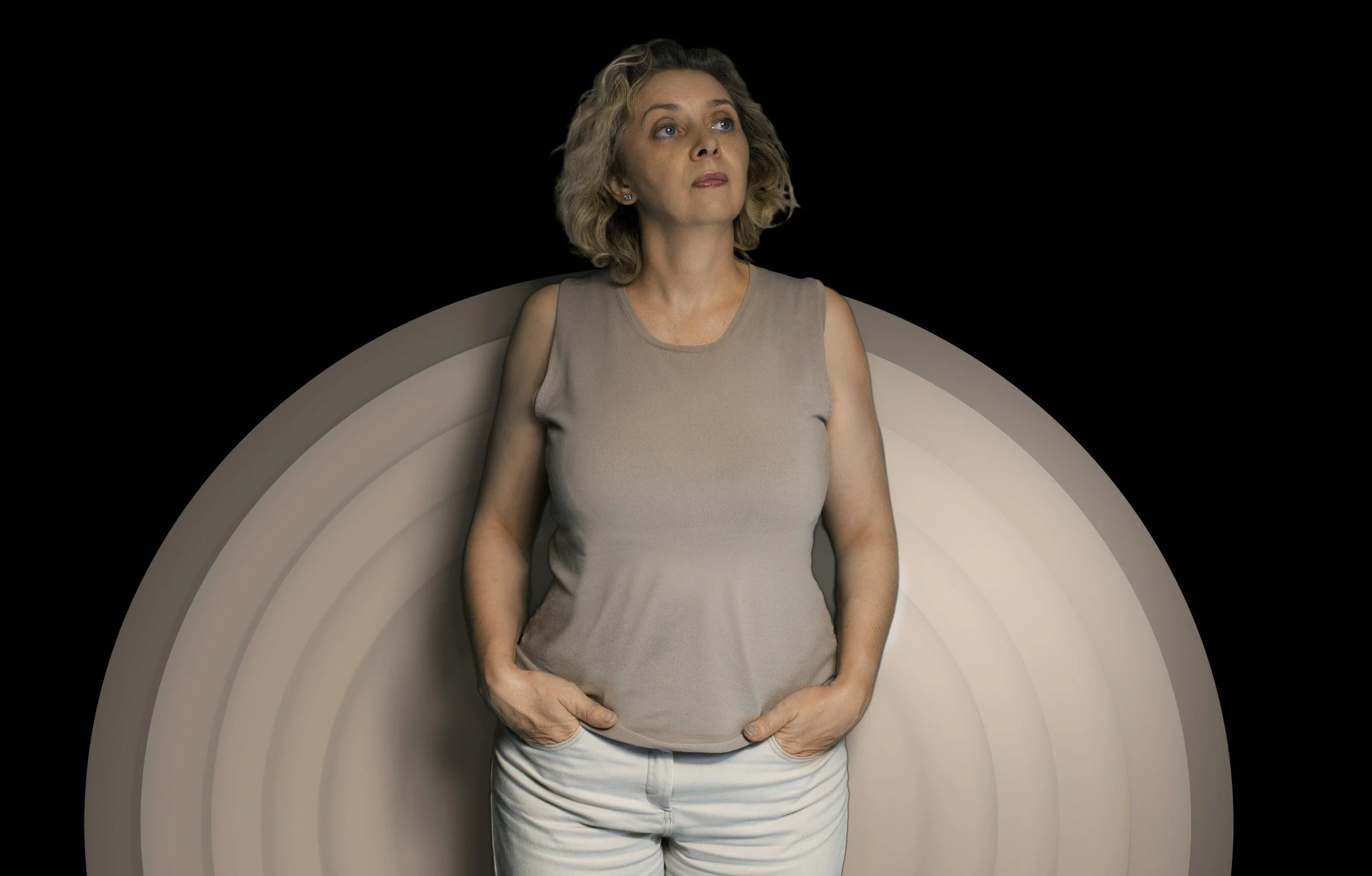
Perimenopause can last years; for some people it lasts a decade. It’s a period of time that can be filled with confusing physical, emotional, and energetic sensations, symptoms, and conditions. I will spend a few articles speaking directly to this period of time in another series; stay tuned. For now, please know that it can be intense and is worth paying close attention to to understand it more fully.
On average, menopause occurs around age 50. However, it should be noted that MANY people experience menopause between 40 and 55. Additionally, early menopause can occur before 38, and surgical menopause is possible at any time in a woman’s life, post-menarche. You definitely can’t tell by looking at someone, just as a reminder.

Perimenopause and menopause are not simply reproductive events; as Dr. Mary Claire Haver explains in The New Menopause, declining and fluctuating estrogen and progesterone can affect multiple systems throughout the body. Symptoms may involve the brain and nervous system—including brain fog, difficulty concentrating, headaches, anxiety, mood changes, and sleep disruption; the metabolic system, including weight changes, body composition, insulin sensitivity, cholesterol, and cardiovascular risk; and the musculoskeletal system, where declining estrogen contributes to changes in bone density, muscle mass, joint pain, and strength. The thermoregulatory system may produce hot flashes and night sweats, while the skin, hair, and connective tissues can become drier and change in texture. Haver emphasizes that these symptoms are interconnected rather than isolated problems, reflecting the widespread influence of estrogen throughout the body.
The reproductive and genitourinary systems are also profoundly affected. Menstrual cycles may become irregular, heavier, lighter, or unpredictable before eventually stopping; fertility declines, while changes in estrogen can contribute to vaginal dryness, painful intercourse, decreased libido, urinary symptoms, and other changes in sexual function. Haver also draws attention to longer-term health concerns associated with estrogen loss, including osteoporosis, cardiovascular disease, metabolic dysfunction, and cognitive decline, making menopause not only a period of symptoms but also an important window for prevention and lifelong health.

There is much still to learn about the experience of perimenopause and menopause—not only for the women living through this profound transition, but also for the partners, families, friends, and communities who experience it alongside them. And beyond our individual experiences lies an even larger landscape of knowledge still to be explored: the remarkable complexity of the female body, the interconnected systems influenced by changing hormones, and the gaps that remain within our medical understanding and healthcare systems. Menopause is neither a disease nor a failure of the body; it is a significant biological transition that deserves to be understood in its full complexity.
Perhaps the most important step is simply to become more informed. When we understand what is happening within the body, we can begin to recognize symptoms as information rather than something to fear or dismiss. We can ask better questions, make more informed choices, advocate for ourselves and one another, and approach this stage of life with greater awareness, compassion, and agency. There is much we know, much we are still discovering, and much more worth exploring.